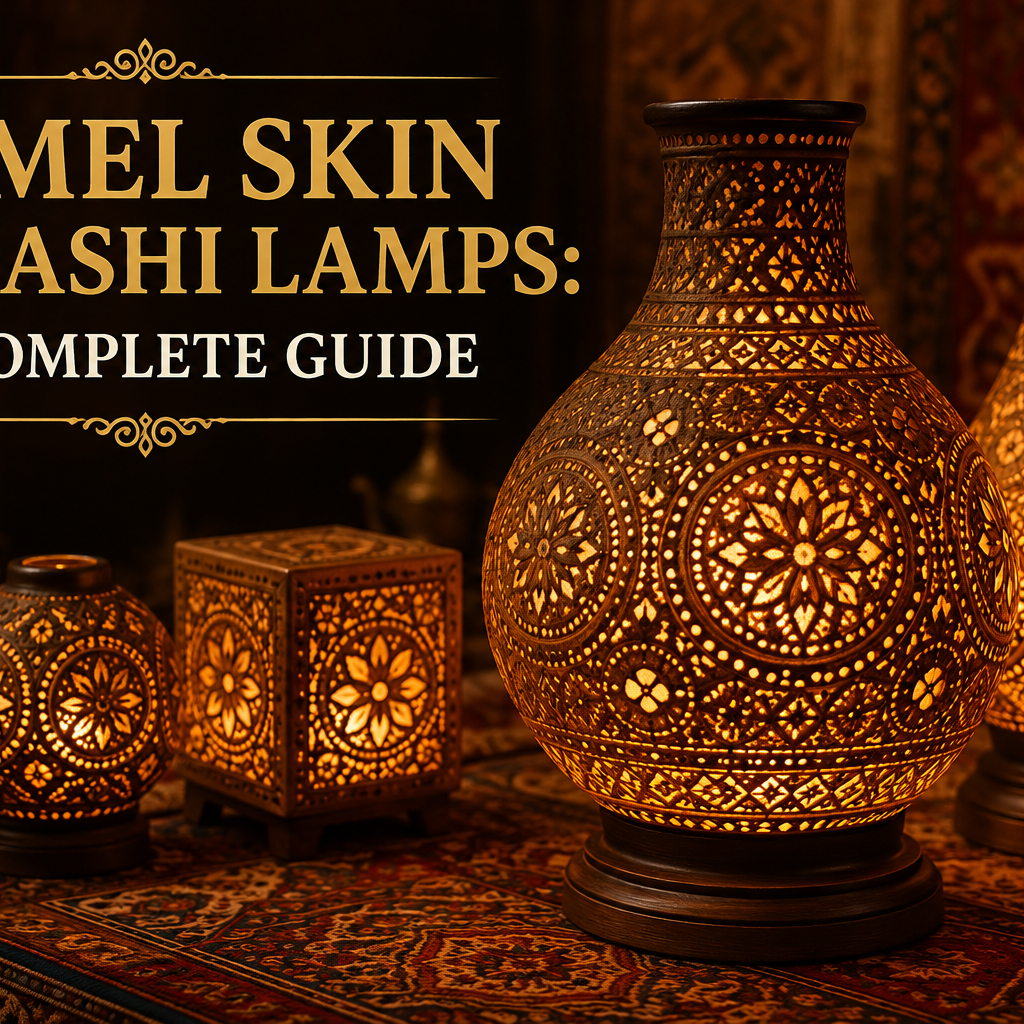
Camel skin Naqashi Lamps: A Complete Guide
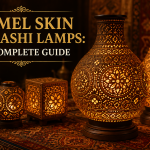
Camel skin lamps are among the rarest craft treasures of Pakistan. These glowing lamps come from the ancient city of Multan. Naqashi painting adorns each shade with floral colour. A single camel skin becomes a work of art. When lit the lamp casts a warm amber glow. This guide covers camel skin naqashi lamps for the curious traveller. It explains the roots the making the naqashi art the artisans and where to find them.
This guide offers a general overview. Details and dates vary between sources.
Quick answer: Naqashi camel leather lamps are an unusual handicraft produced in Multan in southern Punjab. The artisans stretch and clean the camel leather and put it over a clay mold and paint it manually using flower and geometrical patterns in the naqashi technique. With lighting, the thin leather emits amber colored light. It utilizes a painting tradition which is hundreds of years old and was converted into lamp in the beginning of the 20th century. Some few families keep it alive.
Roots of the craft
Camel skin lamps belong to old Multan. This craft grew in the city of saints. Naqashi painting gave the lamps their beauty. Its story reaches back many centuries.
Naqashi began as an older art. Painters once decorated palaces and shrines. They worked fine designs onto plaster and walls. This skill marked the Mughal age.
Camel skin served humbler uses at first. People made it into durable containers. These vessels held oil and other goods and artisans later painted them with naqashi.
Electric light changed the craft. Artisans shaped the painted skins into lampshades. A master named Abdullah Naqash led the way around 1910. So the camel skin lamp was born.
Camel skin and the desert
Camel skin is the heart of the craft. Multan is located close to the great desert. Cholistan is situated nearby with its camel herds. This makes the skin easy to find.
Camels serve the desert people well. They carry loads across the dry sands. A camel that dies still holds value. Its owner can sell the skin for craft.
A scraped skin suits the lamp perfectly. Scraped thin, it turns almost see through. Light passes softly through the shade. This glow gives the lamp its magic.
One skin yields several lamps. A single hide makes five or six shades, so little goes to waste. This desert thus feeds the craft.
Making of Camel skin lamp
Making a camel skin lamp is slow and skilled. Several artisans share the work. Each brings a different craft to the task. Together they shape a single lamp.
Work begins with cleaning the hide. Artisans wash and bleach the skin white. This stage can take up to two days. Careful hands remove every trace of hair.
Scraping thins the skin next. Craftsmen scrape it nearly paper thin, soft and easy to shape. Light will pass through this thin skin.
A clay mould gives the lamp its form. A potter shapes the mould by hand. Artisans stretch the wet skin over it. Once dry the mould breaks away inside.
Three hands share the whole task. A potter the kumhar, makes the clay mould. A naqash paints the fine designs. A skin worker the dabgar, shapes the hide.
Lamps come in many shapes and sizes. Round globes and tall shades line the shops. Small lamps light a shelf or table. Grand ones crown a hall with warm light.
Naqashi art
Naqashi is the soul of the lamp. This word means the art of painting here. Artisans decorate the skin with fine designs. Skilled brushwork brings the shade to life.
A design starts with a careful sketch. A naqash draws the pattern by hand. Flowers, birds and vines fill the scene. Geometric shapes lend order and balance.
The colour goes where the line is. The artists paint the designs with brushes. Colours stand out on pale skin. Patience is required for this work.
These designs are an example of Multan. The floral design reminds you of its gardens. Tradition dictates colour and shape. Each lamp carries the culture of Multan.
Artisans and the craft today
A few families keep the craft alive. One Naqqash family leads the way in Multan. They work near Delhi Gate in the old city. Their street brims with skilled artisans.
Masters pass the skill down the line. Fathers teach the craft to their sons. Each generation guards its hard won secrets. This chain has held for many years.
These lamps have won world fame. Buyers abroad prize the glowing shades. They have travelled to many countries. Multan earns pride from this far flung praise.
This craft faces hard times too. Mass made lamps crowd the market. Few young artisans take up the work. Support for the makers matters more than ever.
Frequently asked questions
What are camel skin naqashi lamps? Camel skin naqashi lamps are a unique handmade craft from the city of Multan in southern Punjab, in which lampshades are made from camel hide and decorated with painted designs. Artisans clean and scrape the skin until it is thin and pale then stretch it over a clay mould to shape it. They then hand paint it with floral, bird and geometric motifs in the naqashi style. When a light is placed inside the thin skin glows with a warm amber colour, showing off the painted patterns. This craft is unique to Multan and prized both in Pakistan and abroad.
What does naqashi mean? Naqashi also spelled naqqashi, is a traditional art of decorative painting. This word refers to the skill of painting intricate designs by hand. It has old roots in the decoration of palaces, mosques and shrines where artists painted fine patterns onto walls and plaster, especially during the Mughal age. In the camel skin lamp craft of Multan the same naqashi skill is used to paint detailed floral and geometric designs onto the prepared skin. An artisan who does this painting is known as a naqash. Its beauty rests above all on this delicate work.
How are camel skin lamps made? Making a camel skin lamp is a slow process that brings together several skilled artisans. First the camel hide is cleaned and bleached white a stage that can take up to two days. It is then scraped until nearly paper thin and able to let light through. A potter shapes a clay mould in the form of the lamp. A wet skin is stretched over it and left to dry. Once the skin has hardened into shape the mould is broken away from inside. A naqash then hand paints the shade with detailed designs to finish the lamp.
Why is camel skin used in these lamps? Camel skin is used because it becomes thin and translucent when scraped, letting light glow softly through the finished shade. It is also easy to find near Multan. This city is located close to the Cholistan desert where camels are kept in large numbers by the local people for travel and work. When a camel dies, its owner can sell the hide, providing the main raw material for the craft. A single camel skin can be made into five or six lamps, so little of the hide goes to waste in the making.
Where can you buy camel skin lamps? A best place to buy camel skin naqashi lamps is Multan itself, especially the workshops near Delhi Gate. Here the Naqqash family and other artisans craft the lamps by hand. Here visitors can see the lamps being made and choose from a range of shapes and designs, from simple shades to elaborate painted masterpieces. These lamps are also sold in craft shops and cultural centres in other cities as well as exported abroad. Buying directly from the artisans of Multan helps support a rare craft that faces growing pressure from mass produced goods.
Glowing craft of Multan
Camel skin naqashi lamps are the glowing craft of the city of saints. This rare art turns desert hide into painted light. Naqashi brushwork adorns each shade with floral colour. A few families guard the craft in old Multan. When lit the lamps cast a warm amber glow. Few crafts on earth are quite so rare.
You may come to the lamps for the glow the art or the history. This craft rewards the eye either way. You can watch the artisans paint the pale skin. You can see a lamp glow warm when it is lit. You can carry home a piece of Multan light. Come to Multan and discover the glowing craft. This is the camel skin lamp of Multan.