Kirthar National Park: A Complete Guide from Karachi
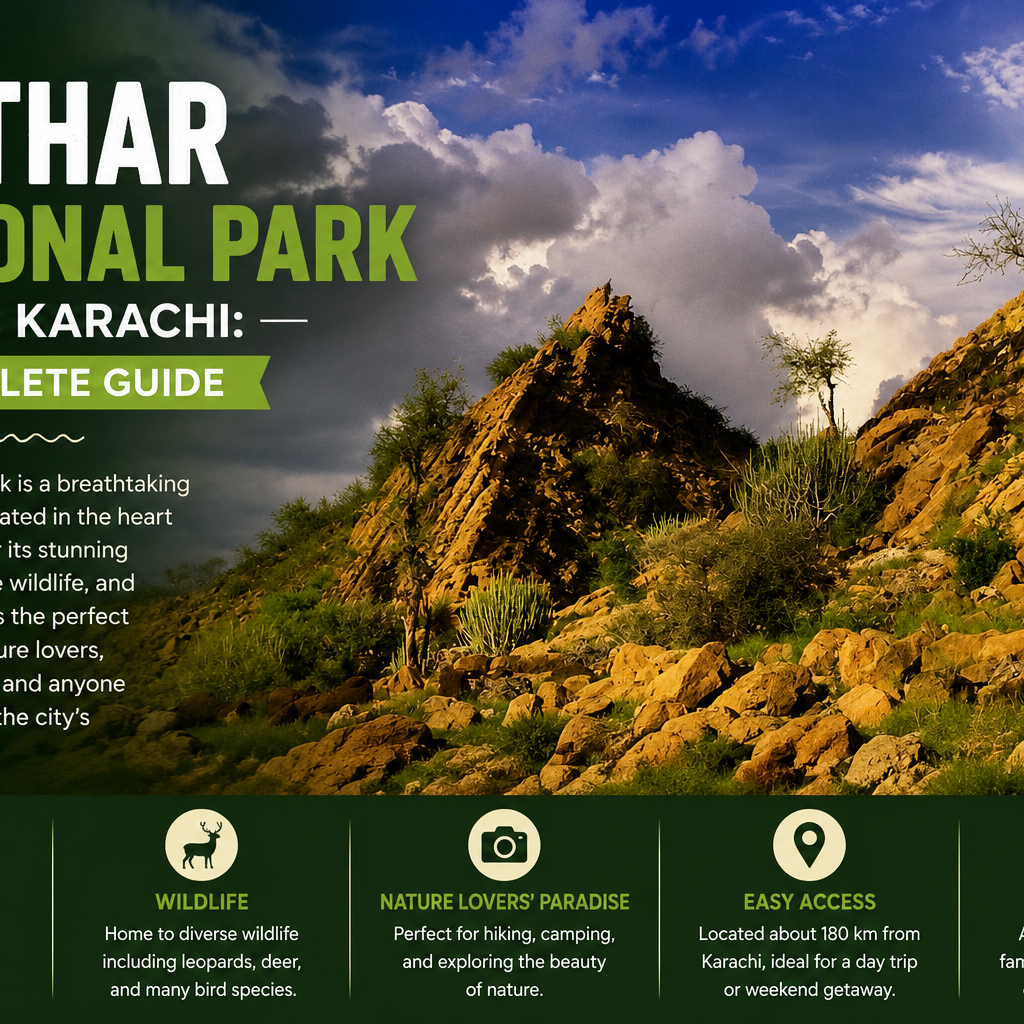
Kirthar National Park is the great wildlife wilderness on the doorstep of Karachi. It is located in the Kirthar Mountains of Sindh. It is spreading across the Karachi, Jamshoro and Dadu districts and part of it lying within the Karachi district itself. Kirthar National Park is known for its rugged mountains, its Sindh ibex, urial and chinkara, its historic Ranikot Fort and its status as one of the largest national parks of the country. It is a vast, protected wilderness of arid peaks and stony valleys, rich in wildlife. For anyone in Karachi seeking nature and adventure, Kirthar National Park offers wildlife, dramatic scenery and history in one rewarding escape from the city.
This guide explains what Kirthar National Park is, its wildlife, its attractions how to visit from Karachi and what to know before you go.
Kirthar National Park
Kirthar National Park is a vast national park in the Kirthar Mountains of Sindh, southwest of the province. It spreads over an area of around 3,087 square kilometres, making it one of the largest national parks of the country, with around a third lying in the Karachi district and the rest in the Dadu district. It is a rugged wilderness of arid mountains, parallel rock hills and stony valleys. It is one of the most important wildlife reserves of the country.
Kirthar National Park has a distinguished history of protection. It was established as a national park in 1974. In 1975 it became the first park of the country to be included in the United Nations list of national parks around the world. This recognition reflects the importance of the park.
Kirthar National Park is home to a wide range of wildlife. Its rugged terrain is an important refuge for mammals, birds and reptiles of the arid subtropics from the Sindh ibex and urial to gazelles and smaller creatures. This rich wildlife is the main reason visitors come to the park.
Quick answer: Kirthar National Park is a vast wildlife reserve in the Kirthar Mountains of Sindh, part of it within the Karachi district. It was established in 1974. It spreads over around 3,087 square kilometres and is known for its Sindh ibex, urial and chinkara, its rugged mountains and the historic Ranikot Fort. It has two visitor centres, Karchat and Khar. A permit and a 4x4 vehicle are generally required.
Wildlife of Kirthar
Kirthar National Park is famous for its wild goats and sheep. The park is home to substantial populations of the Sindh ibex which is a wild goat and the urial which is a wild sheep, together with the chinkara gazelle, all commonly seen in the rugged terrain. These native animals are the signature wildlife of the park.
Kirthar National Park shelters many other mammals. Beyond its wild goats and sheep the park is home to the striped hyena the Indian fox the jackal the jungle cat the caracal the honey badger the Indian pangolin the porcupine and more. A programme has reintroduced the blackbuck antelope to the park. This variety makes the park a haven for wildlife.
Kirthar National Park is rich in birds and its habitats. The park and the nearby Hub Dam attract many species of birds, including migratory birds in winter, making it rewarding for birdwatchers. The park also includes game reserves and wildlife sanctuaries within its bounds. This range of habitats supports the wildlife of the park. Note that the leopard once found here is now feared gone, a reminder of the pressures on this wilderness.
Attractions and activities of Kiethar National Park
Kirthar National Park is best known for wildlife watching. The main activity is spotting the wildlife in its natural habitat, with the early morning and late afternoon the best times to see the ibex, urial and chinkara. The mountainous area around the Karchat centre is the prime spot for wildlife watching. This wildlife is the heart of a visit.
Kirthar National Park is home to the historic Ranikot Fort. The park contains Ranikot Fort, often described as one of the largest forts in the world, with walls stretching for many kilometres over the hills. The park also holds ancient tombs and archaeological sites. These historic attractions add depth to a visit alongside the wildlife.
Kirthar National Park offers adventure in its rugged terrain. Beyond wildlife watching the park offers off road driving on its network of unpaved tracks, hiking trails of varying difficulty and dramatic scenery for photography. The arid mountains and valleys make a striking setting. This sense of wilderness and adventure is a big part of the appeal.
Two entrances of Kiethar National Park
Kirthar National Park has two main entrances and visitor centres. The main centre is at Karchat, deep in the heart of the park while the other is at Khar, near the Hub Dam to the north. Each offers a different experience of the park. Choosing between them shapes a visit.
The Karchat centre is the choice for wildlife and adventure. Set in the more mountainous heart of the park, Karchat is the prime area for wildlife watching and for the archaeological sites, though the route is a rough, unpaved track passable only by 4x4. This is the more adventurous entrance. It rewards those seeking wildlife and wilderness.
The Khar centre is the more accessible choice. The Khar area lies near the Hub Dam. It is reached by the paved Kirthar Park Road, accessible even without a 4x4, suiting birdwatchers and those visiting the Hub Dam wildlife sanctuary. It also holds captive breeding animals. This is the easier entrance for a gentler visit.
Visiting from Karachi and what to know
Kirthar National Park is reached by road from Karachi, one of the closest wilderness escapes from the city. The Karchat entrance is reached via an arterial road branching off the Super Highway near Nooriabad, requiring a 4x4 for the rough, unpaved and poorly marked track while the Khar entrance is reached by the paved Kirthar Park Road off the Northern Bypass. Many travel companies in the city offer weekend tour packages.
Kirthar National Park generally requires a permit and preparation. It is strongly recommended to obtain a permit or non objection letter from the Sindh Wildlife Department before visiting, to avoid difficulties inside the park, so joining an organised tour is often the easiest option. A 4x4 is needed for the Karchat side, with no transport within the park. This preparation is essential for a smooth trip.
Kirthar National Park offers only basic facilities. The Sindh Wildlife Department maintains guesthouse cottages at both the Karchat and Khar centres, with basic facilities and guides available. Camping is permitted with your own tent. It is wise to bring food, water, supplies and warm clothing for the cool nights. The best time to visit is the cooler months from around October to January.
Places near Kirthar National Park
Kirthar National Park is located within reach of several sites of interest in the wider region of Sindh. The Ranikot Fort lies within the park itself. The Hub Dam which is a wildlife sanctuary and reservoir lies on the northern side near Khar.
The town of Nooriabad which is a stop on the Super Highway lies near the Karchat route. The Gorakh Hill Station lies further into the Kirthar Mountains to the north. The Sehwan Sharif shrine and the Ranikot area lie within reach of a wider trip. The city of Karachi lies to the south.
Frequently asked questions
Where is Kirthar National Park located? Kirthar National Park is located in the Kirthar Mountains of Sindh, southwest of the province, spreading across the Karachi, Jamshoro and Dadu districts, with around a third within the Karachi district itself. Its main visitor centre at Karchat is reached via the Super Highway near Nooriabad. The Khar entrance is reached via the Northern Bypass.
What wildlife can you see at Kirthar National Park? Kirthar National Park is home to the Sindh ibex the urial and the chinkara gazelle, commonly seen in the rugged terrain, along with the striped hyena, Indian fox, jackal, jungle cat, caracal, pangolin and reintroduced blackbuck. It is also rich in birds, especially near the Hub Dam. The early morning and late afternoon are the best times to spot wildlife.
How do you get to Kirthar National Park from Karachi? Kirthar National Park is reached by road from Karachi, one of the closest wilderness escapes from the city. The Karchat entrance branches off the Super Highway near Nooriabad and requires a 4x4 for the rough track. The Khar entrance is reached by the paved Kirthar Park Road off the Northern Bypass. Many travel companies offer weekend tours.
Do you need a permit to visit Kirthar National Park? It is strongly recommended to obtain a permit or non objection letter from the Sindh Wildlife Department before visiting Kirthar National Park, to avoid difficulties inside the park. Joining an organised tour which usually arranges the permit, transport, guide and accommodation is often the easiest way to visit without hassle.
What is the best time to visit Kirthar National Park? The best time to visit Kirthar National Park is the cooler months from around October to January when the weather is more comfortable for exploring. The summer from around March to August, can be hot and dry, though the monsoon rain of July and August brings greenery. The early morning and late afternoon are best for wildlife.
Is Ranikot Fort in Kirthar National Park? Yes. Kirthar National Park contains the historic Ranikot Fort, often described as one of the largest forts in the world, with walls stretching for many kilometres over the hills. The park also holds ancient tombs and archaeological sites, adding a layer of history to the wildlife and scenery of the park.
Kirthar National Park is the great wildlife wilderness on the doorstep of Karachi and one of the largest national parks of the country. It is located in the Kirthar Mountains of Sindh, part of it within the Karachi district. It spreads over a vast area of arid mountains, rock hills and stony valleys. Its Sindh ibex, urial and chinkara, its rich birdlife, its historic Ranikot Fort and its distinguished status as a protected park make Kirthar National Park a rewarding escape from the city.
Kirthar National Park brings together wildlife, dramatic scenery and history in one vast wilderness. Its native ibex, urial and chinkara, its many other mammals and birds, along with its historic Ranikot Fort, reward those seeking nature and adventure while its two entrances at Karchat and Khar offer both a wild and a gentler way to explore. It is reached by road from the city and best visited in the cooler months. It calls for a permit and preparation, with a 4x4 needed for the wilder side. It remains one of the most rewarding natural escapes from Karachi, best enjoyed with care and respect for its fragile wilderness whether you visit Kirthar National Park for its wildlife, its rugged mountains or its historic fort.