Karachi Mangroves and Coastline: A Complete Guide
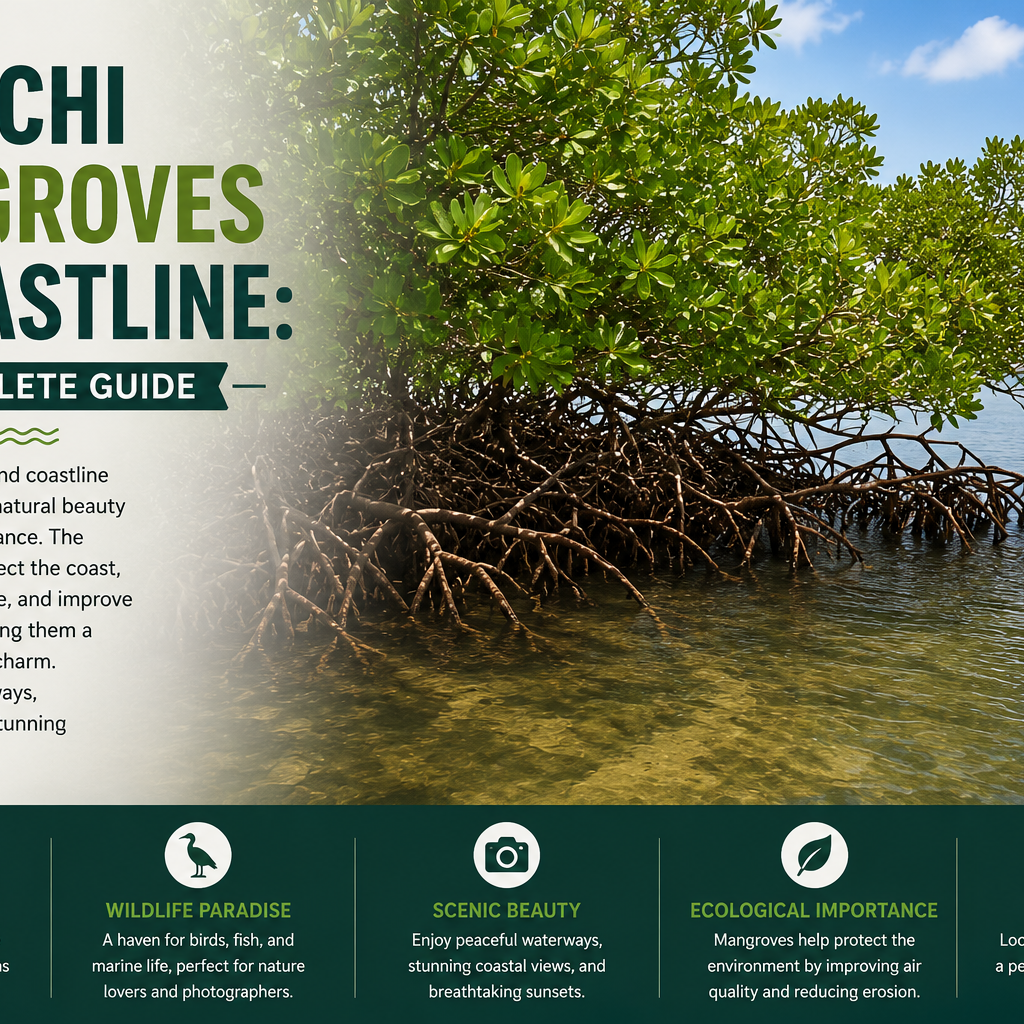
The mangroves and coastline of Karachi are among the great natural treasures of the city. They line the Arabian Sea and the Indus Delta along the southern and western edges of the city from Sandspit and the harbour to the creeks of Korangi and beyond. The mangroves of Karachi are known for their vital role as a nursery for marine life a shield against cyclones and a haven for migratory birds, part of one of the largest arid climate mangrove forests in the world. They are a living, protective green belt along the coast. For anyone getting to know Karachi the mangroves and coastline offer wildlife, boat trips and a striking natural side of the city rarely seen from the streets.
This guide explains what the mangroves are their importance their wildlife, how to visit and the threats they face.
Mangroves of Karachi
The mangroves of Karachi are coastal forests that grow where the fresh water of the Indus meets the salt water of the Arabian Sea. They form part of the Indus Delta mangroves which are one of the largest arid climate mangrove forests in the world, spread along the coast of Sindh. They line the creeks, mudflats and islets of the coast around the city from Sandspit to Korangi and the harbour. They are a vital natural feature of the coast of the city.
The mangroves of Karachi are dominated by a single hardy species. The grey mangrove Avicennia marina makes up the great majority of the forest able to survive the high salinity of the arid coast along with smaller numbers of other species. This hardy tree is the backbone of the mangrove forest.
The mangroves of Karachi are a remarkable natural adaptation. The trees survive in salty, waterlogged mud through special roots that take in air and filter out salt, growing on islets in the creeks that they help to create by trapping sediment. Mangroes ability to thrive in places where few plants can that makes the mangroves so special.
Quick answer: The mangroves of Karachi are coastal forests along the Indus Delta and the Arabian Sea, part of one of the largest arid climate mangrove forests in the world. They are a vital nursery for fish and shellfish a shield against cyclones and a haven for migratory birds. They can be explored by boat trips from Sandspit, best in the cooler months from around October to February.
Why the mangroves matter
The mangroves of Karachi are a vital nursery for marine life. They provide a breeding and feeding ground for fish, shrimp, prawns, lobsters and crabs, with a large share of the commercially important marine species of the coast spending part of their life among the mangroves. This role supports the fishing industry and the livelihoods of the coast.
The mangroves of Karachi are a natural shield against disaster. They act as a barrier that protects the coast and the city against cyclones, storms, flooding and erosion absorbing the force of the sea. This protective role is a major reason the coast around the city has been spared the worst of the cyclones. This natural defence is one of their greatest gifts.
The mangroves of Karachi support the coast in many ways. Mangroves provide livelihoods for coastal communities through fishing and other resources by storing large amounts of carbon and protect the shoreline from erosion. They are of enormous economic and environmental value. This web of benefits makes the mangroves far more than a coastal curiosity.
Wildlife of the mangroves
The mangroves of Karachi are a haven for birds. The creeks and mudflats attract many species of birds, including large flocks of migratory birds such as flamingos, pelicans, cranes and cormorants arriving in the cooler months to feed and roost. This birdlife makes the mangroves a rewarding place for birdwatchers.
The mangroves of Karachi shelter a range of marine life. The waters among the roots are home to fish, shrimp, crabs and other creatures along with dolphins offshore and the endangered green and olive ridley turtles near the Sandspit area. This marine life is central to the richness of the mangroves.
The mangroves of Karachi hold some rare and elusive wildlife. The forests are home to a variety of creatures. The elusive fishing cat, once thought to have disappeared from the country, has been sighted here along with jackals and otters. This hidden wildlife adds to the natural value of the mangroves. Note that the health of this wildlife depends on the health of the mangroves themselves.
Visiting the mangroves and coastline
The mangroves of Karachi are best explored by boat. Boat trips into the mangroves usually start from a village in the Sandspit area, taking visitors through the creeks and deep into the green channels of the forest. The World Wide Fund for Nature has helped set up such trips along with a wetland centre. This boat trip is the classic way to experience the mangroves.
The mangroves offer more than a boat ride. Visitors can watch a presentation at the wetland centre, take part in mangrove planting, watch birds from a checkpoint among the creeks and take turtle and dolphin watching trips in the cooler months. A floating restaurant among the mangroves can be booked in advance. These activities make for a rich day out in nature.
The mangroves and coastline reward a well planned, respectful visit. The cooler months from around October to February are the best time when the migratory birds arrive and the weather is pleasant. It is wise to book trips in advance, to go deep into the mangroves rather than staying on the edge and to carry any litter away. Respecting the fragile habitat keeps it healthy for the wildlife.
Threats and conservation of mangroves
The mangroves of Karachi face serious threats. The reduced flow of fresh water from the Indus, drawn off for irrigation upstream, has raised the salinity and stressed the forests, while pollution from the industry, sewage and oil of the city harms the habitat. These pressures have caused the mangroves to decline over the decades.
The mangroves of Karachi are under pressure from growth. Urban development and land reclamation from the sea along with the cutting of trees for firewood and grazing, have cleared parts of the mangrove forest. Much of the remaining forest now survives in protected areas. This loss is a serious concern for the coast and the city.
The mangroves of Karachi are the focus of conservation efforts. The Sindh Forest Department the World Wide Fund for Nature the conservation union and others have worked to replant and restore the mangroves since the 1980s and 1990s, with large replanting drives. These efforts offer hope for the future of the mangroves. Protecting them matters for the wildlife the fishing industry and the safety of the coast.
Places near the mangroves and coastline
The mangroves and coastline of Karachi are located within reach of several coastal spots and useful places around the city. The Sandspit and Hawke's Bay beaches lie along the coast, sharing the mangroves and turtle grounds. The Karachi Harbour and Manora lie among the creeks and the port.
The Korangi and Rehri areas with their creeks and fishing communities lie to the southeast. The Port Qasim area lies along the delta to the east. The Clifton seafront lies along the coast towards the city. The wider Indus Delta and its creeks stretch east towards Thatta.
Frequently asked questions
Where are the mangroves of Karachi located? The mangroves of Karachi line the Arabian Sea and the Indus Delta along the southern and western edges of the city from the Sandspit area and the harbour to the creeks of Korangi, Rehri and Port Qasim. They form part of the wider Indus Delta mangroves of Sindh. They are best explored by boat trips from the Sandspit area.
Why are the mangroves of Karachi important? The mangroves of Karachi are a vital nursery for fish, shrimp and crabs, supporting the fishing industry. They also form a natural shield that protects the coast against cyclones, storms and erosion. They also store carbon, sustain coastal livelihoods and shelter wildlife. Their protective role is a major reason the coast has been spared the worst of the cyclones.
Can you take a boat trip through the mangroves? Yes. Boat trips into the mangroves usually start from a village in the Sandspit area, taking visitors through the creeks and deep into the forest. The World Wide Fund for Nature has helped set up such trips and a wetland centre along with turtle and dolphin watching, birdwatching and mangrove planting. It is wise to book in advance.
What wildlife lives in the mangroves of Karachi? The mangroves of Karachi are home to fish, shrimp, crabs, dolphins and the endangered green and olive ridley turtles along with many birds, including migratory flamingos, pelicans, cranes and cormorants in the cooler months. The elusive fishing cat, once thought gone from the country, has also been sighted along with jackals and otters.
When is the best time to visit the mangroves? The best time to visit the mangroves of Karachi is the cooler months from around October to February when the migratory birds arrive and the weather is pleasant. This is also the season for turtle and dolphin watching trips. It is wise to book boat trips in advance and to go deep into the mangroves for the best experience.
Are the mangroves of Karachi under threat? Yes. The mangroves of Karachi have declined over the decades due to the reduced flow of fresh water from the Indus, pollution from the industry and sewage of the city, urban development, land reclamation and tree cutting. Conservation efforts by the Sindh Forest Department the World Wide Fund for Nature and others have worked to replant and restore them.
The mangroves and coastline of Karachi are among the great natural treasures of the city and a striking natural side of the metropolis rarely seen from the streets. Part of one of the largest arid climate mangrove forests in the world they line the creeks and mudflats of the Indus Delta and the Arabian Sea around the city. Their role as a nursery for marine life a shield against cyclones and a haven for migratory birds makes the mangroves of Karachi a vital and living green belt along the coast.
The mangroves and coastline bring together wildlife, natural beauty and a vital protective role in one green belt along the sea. Their creeks shelter fish, dolphins, turtles and flocks of migratory birds their forests guard the city against the storms of the sea, while boat trips from Sandspit let visitors explore this hidden natural world. Yet the mangroves face serious threats from reduced river flow, pollution and development, making the conservation efforts along the coast all the more important. They remain one of the most valuable and cherished natural assets of the city, worthy of care and protection whether you visit the mangroves of Karachi for the birds a boat trip through the creeks or a glimpse of a rare natural treasure.