Joryia Bazaar Karachi: A Complete Wholesale Market Guide
Joriya Bazaar is one of the oldest and biggest wholesale markets of Karachi. It is located in the old commercial heart of the city a dense maze of narrow lanes packed with shops trading in spices, dry fruits, grains, sugar and countless other goods. Joriya Bazaar is known for its role as the wholesale trading hub of the city its historic colonial era buildings and its bustling, crowded lanes. It handles trade worth billions of rupees each day. For anyone in Karachi looking to buy in bulk at wholesale rates, Joriya Bazaar is the beating heart of commerce in the city.
This guide explains what Joriya Bazaar is its history, what to buy its role as a trading hub and how to visit.
Joriya Bazaar
Joriya Bazaar is a historic wholesale market located in the old commercial core of central Karachi, near the port. It is a warren of narrow, congested lanes lined with warehouses and shops, each street devoted to a particular trade. It lies close to the Bolton Market and the other old markets of the area. It is one of the oldest and most important commercial centres of the city.
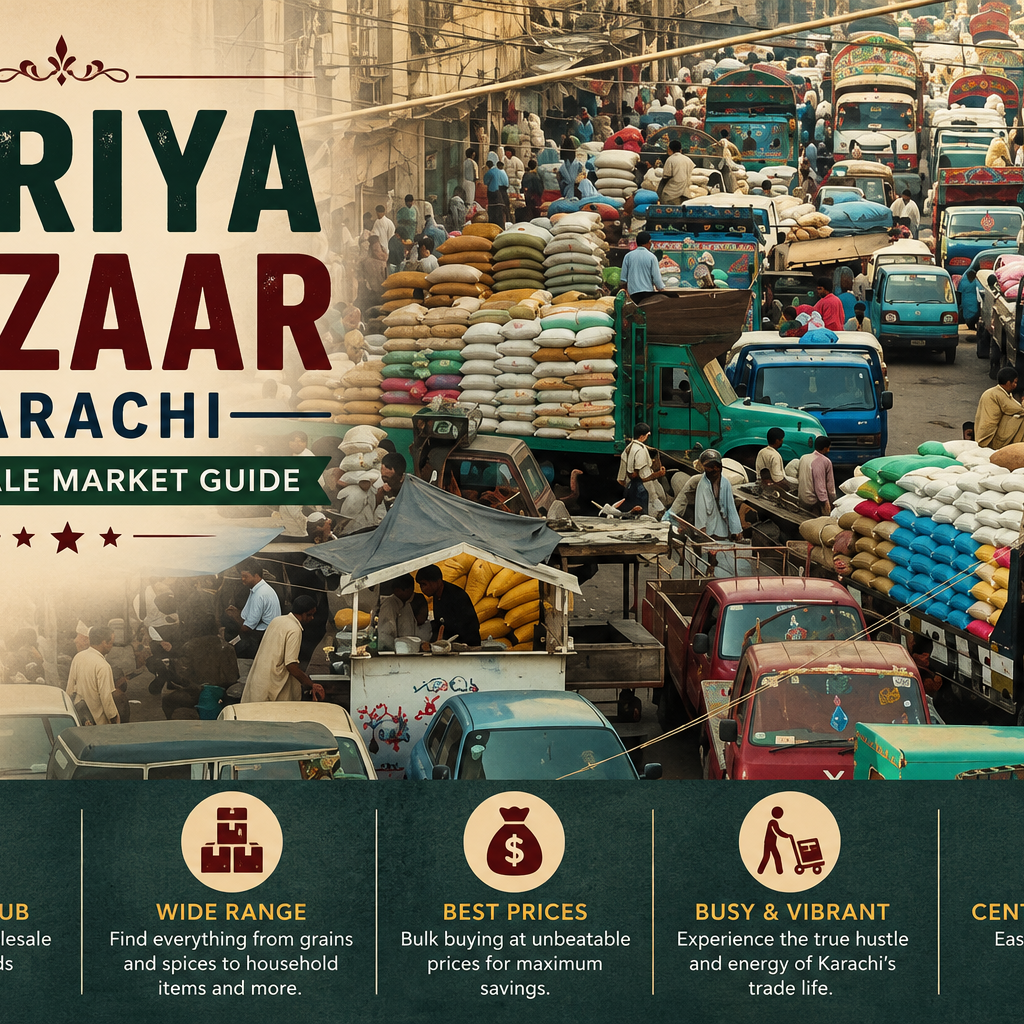
Joriya Bazaar is known above all as a wholesale trading hub. The market deals mainly in wholesale commodities and groceries, from flour, rice, sugar and pulses to spices, dry fruits and tea, supplying shops across the city and beyond. This role as a wholesale centre is central to its identity.
Joriya Bazaar is famous as the economic heart of the city. It handles a daily trade estimated in billions of rupees. It is home to some of the largest commodity merchants of the country. This importance to commerce runs through everything about the bazaar.
Quick answer: Joriya Bazaar is one of the oldest and biggest wholesale markets of Karachi, located in the old commercial heart of the city near the port. It is the main wholesale hub for spices, dry fruits, grains, sugar, pulses and groceries along with many other goods. It handles trade worth billions of rupees each day and is home to historic colonial era buildings. It is the place to buy in bulk at wholesale rates.
History of Joriya Bazaar
Joriya Bazaar is among the oldest markets of the city. The bazaar rose to prominence after the independence of the country in 1947, though many of its buildings and trades date from the colonial era, giving it a heritage reaching back well over a century. This long history has made Joriya Bazaar a landmark of old Karachi.
Joriya Bazaar played a vital role in the early economy of the country. The market helped introduce the trading community of the country to international commerce in the years after independence, growing into the wholesale heart of the new state. Some of the largest sugar and commodity merchants of the country are based here. This role in trade shaped the growth of the bazaar.
Joriya Bazaar has been the launching point for famous names. The market is remembered as the birthplace of well known businesses, such as the Tapal tea company. That business began with a small shop here before growing into one of the largest tea brands of the country. This story of enterprise is part of the character of the bazaar.
What to buy at Joriya Bazaar
Joriya Bazaar is famous above all for spices and dry fruits. The market is the main wholesale centre for spices, with whole streets devoted to masala along with a huge trade in dry fruits, nuts, herbs and grocery items at wholesale prices. The aroma of spices fills the air throughout the bazaar. This spice and dry fruit trade is one of the great draws of the market.
Joriya Bazaar is the wholesale hub for groceries and commodities. The bazaar trades in flour, rice, sugar, pulses, lentils, cooking oil, tea and other everyday commodities in bulk, supplying shops and households across the city. It is also known as the main market for hand fans in the country. This range of commodities makes the bazaar the pantry of the city.
Joriya Bazaar sells far more than groceries. Beyond food the market and the adjoining bazaars offer jewellery, plastics, crockery, cosmetics, toys, electronics, household goods and even wholesale medicines in the nearby lanes. From herbs and mehendi at the pansar stores to bulk household items the bazaar has it all. This variety makes it a place to buy almost anything in bulk.
Trading hub and the atmosphere at Joriya Bazar
Joriya Bazaar is a market of specialised streets. Each lane and section of the bazaar is devoted to a particular trade, from spices and dry fruits to grains, chemicals and jewellery, so shoppers ask their way from street to street. This specialisation is part of how the market works. It rewards those who know where to look.
Joriya Bazaar is mainly wholesale but open to all. While the bazaar deals chiefly in bulk trade at wholesale rates, many shops also sell to individual shoppers at retail, so a visitor can buy a single bag of spices or a whole sack. Prices are often well below the retail markets. This mix of wholesale and retail widens its appeal.
Joriya Bazaar has a crowded, historic atmosphere. The narrow lanes the old buildings the porters the handcarts and the constant bustle create an energy found nowhere else in the city. The old colonial era buildings give the area a heritage charm. This bustling, historic mood is a large part of the character of the bazaar.
How to visit and shopping tips
Joriya Bazaar rewards an early start. The market is at its calmest and freshest in the early morning, before the lanes fill with crowds and traffic, so an early visit makes for an easier trip. The bazaar is busiest through the middle of the day. A little planning helps a great deal.
Joriya Bazaar is best reached without a car. The lanes are extremely narrow and congested, with handcarts, rickshaws and porters filling the way, so there is almost no parking. It is easier to arrive by bus, rickshaw or ride hailing service. Most drivers in the city know the way. The bazaar is best explored on foot.
Joriya Bazaar calls for patience and the usual care. The crowds the narrow lanes and the busy trade can be tiring, so it is wise to wear comfortable shoes, to keep valuables secure and to be ready to bargain. Quoting a lower but reasonable figure often brings the price down. Keeping an eye on personal belongings in the crowds is sensible.
Places near Joriya Bazaar
Joriya Bazaar is located within reach of many landmarks and useful places in the old heart of Karachi. The Bolton Market and the other old wholesale markets adjoin the bazaar. The historic Kharadar and Mithadar quarters are close by.
The Wazir Mansion which is the birthplace of the founder lies in the nearby Kharadar area. The Merewether Clock Tower and the I.I. Chundrigar Road financial district are a short distance away. The Karachi Port lies towards the coast. The central Saddar area with the Empress Market is a short drive away.
Frequently asked questions
Where is Joriya Bazaar located? Joriya Bazaar is located in the old commercial heart of central Karachi, near the port and close to the Bolton Market and the historic Kharadar area. It is a dense area of narrow lanes in one of the oldest parts of the city. It is best reached by bus, rickshaw or ride hailing service as the lanes are congested and parking is almost impossible.
What is Joriya Bazaar famous for? Joriya Bazaar is famous as one of the oldest and biggest wholesale markets of the city, known above all for its wholesale trade in spices, dry fruits, grains, sugar, pulses and groceries. It is also the main market for hand fans in the country and a hub for jewellery, plastics and household goods. It handles trade worth billions of rupees each day.
What can you buy at Joriya Bazaar? Joriya Bazaar offers wholesale spices, dry fruits, nuts, herbs, flour, rice, sugar, pulses, lentils, cooking oil and tea along with jewellery, plastics, crockery, cosmetics, toys, electronics and household goods. The nearby lanes hold a wholesale medicine market and pansar stores selling herbs, mehendi and alta. Most goods are sold in bulk, though many shops also sell at retail.
How old is Joriya Bazaar? Joriya Bazaar is among the oldest markets of the city. It rose to prominence after the independence of the country in 1947, though many of its buildings and trades date from the colonial era, giving it a heritage reaching back well over a century. Some shops are decades old. The area is dotted with buildings from the British era.
Is Joriya Bazaar wholesale or retail? Joriya Bazaar is mainly a wholesale market, dealing in bulk trade at wholesale rates. Many shops also sell to individual shoppers at retail, so a visitor can buy a small quantity or a large one. Prices are often well below the retail markets. This makes the bazaar popular for bulk buying by shopkeepers and households alike.
When is the best time to visit Joriya Bazaar? Joriya Bazaar is at its calmest and freshest in the early morning, before the lanes fill with crowds and traffic, so an early visit makes for an easier trip. The market is busiest through the middle of the day. It is best to arrive by bus, rickshaw or ride hailing service rather than by car, given the narrow lanes and the lack of parking.
Joriya Bazaar is one of the oldest and most important wholesale markets of Karachi and the trading heart of the city. Joriya Bazaar is located in the old commercial core near the port. It is a dense maze of narrow lanes that has traded in spices, dry fruits, grains and commodities for well over a century. Its role as the wholesale hub of the city its historic colonial era buildings and its bustling, crowded lanes make Joriya Bazaar a marketplace like no other in the region.
Joriya Bazaar brings together wholesale trade, history and the commercial life of the city in one crowded, historic district. Its specialised streets sell everything from spices and dry fruits to grains, jewellery and household goods, mostly in bulk at wholesale rates. It rose after independence into the economic heart of the city and the launching point for famous names such as the Tapal tea company. Joriya Bazaar is set in the old heart of the city near the Bolton Market and the Kharadar quarter. It is easy to reach by bus or rickshaw, though best explored on foot given the narrow lanes and lack of parking. It remains one of the most remarkable and historic markets in Karachi whether you visit Joriya Bazaar for a sack of spices a bulk grocery order or simply the bustle of the oldest trading heart of the city.